Dancing 9 to 5, what a joy to make of living
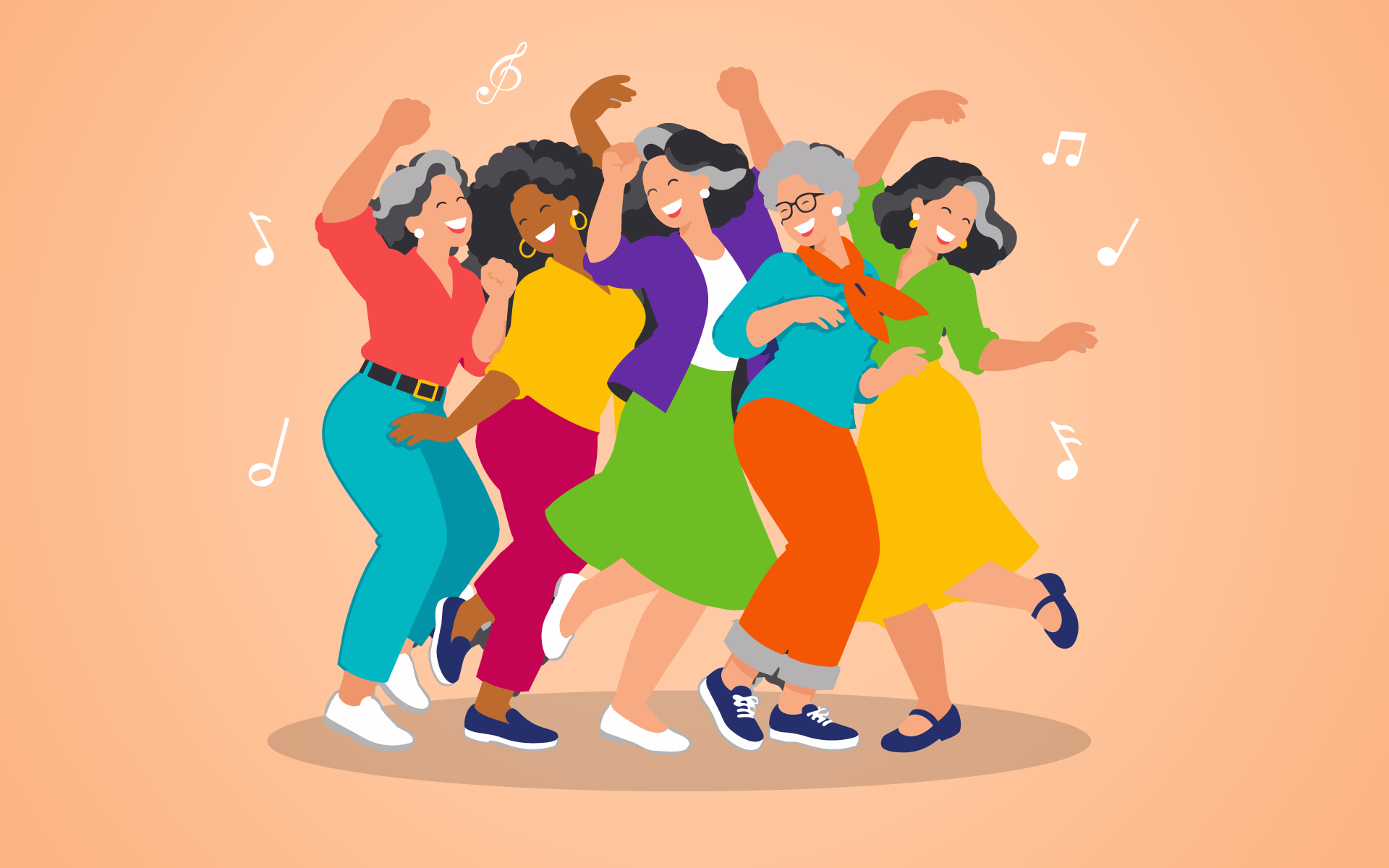
Moving to music takes us all the way back to our youth, and all the way forward to a better life.
The other day, friends invited me to a Dolly Parton tribute at a popular spot in the Johannesburg suburb of Brixton.
Like me, they are mothers navigating the travails of life, parenting tweens and teens, and trying to keep up with everything that needs doing.
Yet they still organise an outing, gather their friends and go boogie. They still make time — and room — for fun.
I’m grateful for that. It’s easy to let friendship become another exchange of messages about how busy we are, punctuated by promises to get together when things settle down.
Someone has to choose a date. Someone has to say: come, we’re going dancing.
Some wore pink cowgirl hats. Others arrived in faded jeans. We gathered to celebrate a great songstress, but also a woman whose humanity gave us something to celebrate together.
Dolly’s longstanding embrace of her LGBTQI+ fans mattered to me, as did her one million dollar gift to Covid research at Vanderbilt University, which helped support early work on the Moderna vaccine.
Here was strength, generosity and a sense of where she came from, alongside all that glorious sparkle.
And then we danced.
There is something lovely about sharing music with people you know well and people you have never met.
You catch a friend’s eye at a familiar lyric. A stranger knows the chorus as well as you do. For a few minutes, there is no need for introductions or explanations. You already have something in common.
It turns out there’s research behind that feeling. A team at Oxford, led by Bronwyn Tarr and Robin Dunbar, has spent years studying why dancing together makes people feel bonded.
In one experiment, strangers danced in a “silent disco”, wearing headphones, either in step with one another or out of step.
Those who moved in sync had higher pain thresholds — which researchers use as a stand-in for endorphin release — and reported feeling closer to the people around them.
An earlier study with Brazilian teenagers found that moving in time and working up a sweat each did the job independently.
The researchers are careful to point out that feeling close isn’t the same as becoming more generous.
But as a case for choosing a dance floor over another round of “we must catch up soon” messages, I’ll take it.
I felt our friendship being renewed in that room. We spend so much of our time being responsible, attending to other people’s needs and working out what happens next that it was a joy to see all of us enjoying ourselves.
To remember that the women raising children and managing complicated lives also have a repertoire of questionable dance moves and aren’t afraid to use them.
Music has always helped me move through change.
A song can return me to a younger version of myself with startling precision.
Suddenly, I remember the person I loved, the friends I went out with, or the confidence with which I once approached an evening that had no sensible ending time.
That precision isn’t just sentiment. Neuroscientist Petr Janata, at the University of California, Davis, scanned students’ brains while they listened to popular songs from their younger years.
The songs that stirred the strongest memories lit up a region just behind the forehead that is involved in our sense of self.
It was a small study, but it suggests the brain keeps music and memory close together – which may be why a few bars of the right song can feel like opening a door.
Sometimes those memories make me laugh. Sometimes they catch me unawares.
Hearing an old song now, I can recognise feelings I didn’t have words for then. I can also hear how much has changed.
The music is familiar, but the woman listening has lived a little more. There is comfort in that familiarity, but I don’t want my musical world to end with the soundtrack of my 20s.
My hairdresser, who is also a musician, tells me he tries to listen to as much different music as possible.
All music is interesting, he says. I like the generosity of that approach. It asks us to give something unfamiliar a hearing before deciding it isn’t for us. That feels useful far beyond music.
A new song can introduce us to another language, another place, another way of expressing joy or grief.
The music our children play can offer a small opening into their worlds, especially when conversation is limited to a shrug.
Asking what they like about a song might get us further than asking, yet again, how their day was.
It seems our bodies like the unfamiliar, too. Researchers in Magdeburg, Germany, followed 52 healthy older adults, with an average age of 68, for 18 months.
One group did repetitive fitness training such as cycling and Nordic walking. The other kept learning new dance routines in different styles, from jazz to line dancing.
Both groups showed growth in the hippocampus, a region central to memory, so nobody needs to hang up their walking shoes.
But only the dancers improved their balance. The researchers suggest that the constant challenge of learning something new is what gave dance its extra edge.
That is change science in a nutshell: we keep growing when we keep being beginners.
On a dance floor, too, we practise paying attention. We find our own rhythm while making room for someone else.
We move closer, step back, follow, improvise. Occasionally, we stand on a foot and apologise.
And after that Brixton outing, I noticed how much lighter I felt, and how glad I was that I had said yes.
As life changes, I want to keep making room for evenings like that: familiar friends, unfamiliar faces, a song we can share.
Bowie’s invitation to put on our red shoes and dance still appeals.
I’ll just need to call my Uber by half past seven.
Related stories

The Change Programme
Are you thinking about making a change? Or trying to make a change? Or dealing with some change that’s happened? Whether you’re getting married or having a baby, moving house or jobs, starting a diet or stopping smoking… the Change Programme is for you.
Start the programme now!