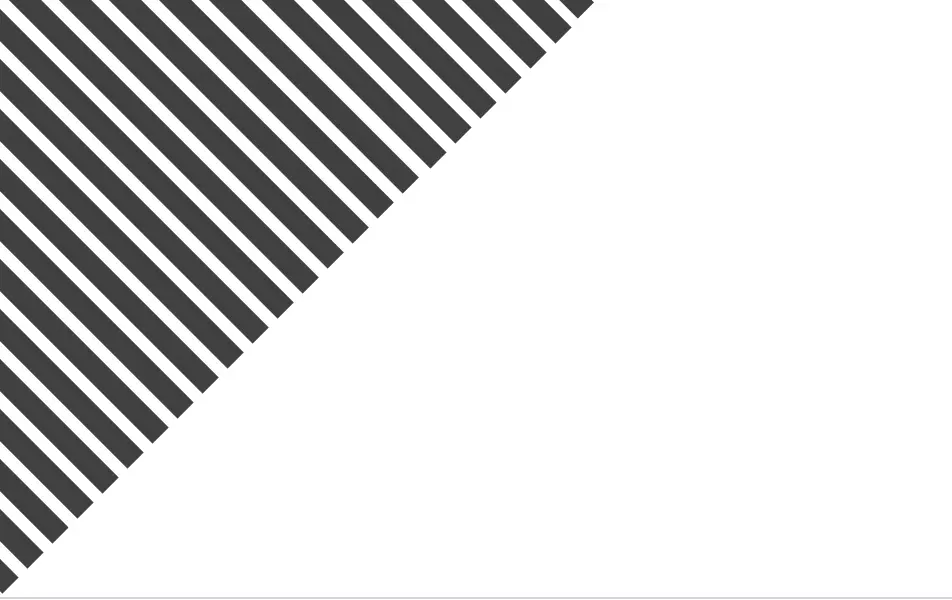
What a bucking bronco taught me about letting go of fear
Instead of worrying about what might go wrong, why don’t we focus on what might go right?
Ka-dumph! She hit the ground before the teachers had quieted the rest of us down. I was next in line when it happened.
My classmate, the most experienced horse rider of the group, had mounted with confidence and guided her four-legged companion into a brisk trot, eager to show the rest of us how it was done.
The horse had other ideas. Tired after a long day of escorting kids around the enclosure, her patience was running thin.
We cheered the eager jockey on, marvelling at her poise and control. The pair rounded the circuit at increasing speed.
The flurry of excited children grew to a frenzy. Startled at the commotion, the bronco bucked, flinging my classmate into the air and hard onto the enclosure floor before jolting away from the disbelieving crowd
Our brave rider lay on the ground, battered and bruised. The camp aide rushed to her help. She was taken to the makeshift medical tent, patched up and sent to base camp, where she would spend the rest of the day regaining her health.
This would be her last day of participating in the physical activities of Grade 4 leadership camp, and my first day as an avid non horse rider.
If someone so experienced could get hurt so badly doing something so familiar, what chance did I have? What if that was me with the broken bones and bandages? What if I had landed up on the floor? What if all the onlookers were staring at me in shock and disbelief?
What if, what if, what if. Perhaps, looking back, I didn’t understand the full picture.
What I had failed to consider was the 23 other classmates who had ridden the horse without incident before my friend’s fateful fall.
Or the fact that, despite this experience, she continues to ride horses to this day, 20 years later.
I hadn’t thought about the hundreds of other schools who had taken on the same adventure and returned home safely, or my remaining peers who were brave enough to continue after.
What if this fall wasn’t an inevitability, but just one of many possible outcomes. What if it was a result not of her terrible skill but of bad timing and a tired pony. What if this outcome was one of many possibilities, and not an inevitability.
I have come to learn that fear is often just a story we tell ourselves. Outside of present and immediate danger, the fear we most often experience in everyday life is a fiction concocted by our brains, undisturbed by pesky facts or probabilities.
When in its grip, we look only at the evidence that strengthens its hold on us, because it feels so large and inevitable.
You can practically feel the cuts on your knees, the bumps and the bruises on your skin. Yet the opposite is equally possible, if only we allow our minds to imagine it.
The excitement of my peers who had ridden a horse for the first time that day, their joy and pride, was as real as any mishaps.
The applause of friends, the celebratory stoksweets and high five from experienced jockeys, all are part of the experience just as much as the big falls.
Why is it then that we tend to only recall and be guided by the big mishaps?
Perhaps we should view the fearful moments in our lives with curiosity, as just one big experiment, with more weight on the joys than on the pains.
Perhaps that big change goes terribly (it probably won’t, it rarely ever does). If it does, you learn something about yourself, the bruises heal and you are better for next time.
Or perhaps it goes way better than you ever imagined. You have great memories and experiences under your belt.
I never did end up riding the horse that day, but I have carried the story of that primary school camp with me ever since.
Instead of asking myself “what if it all goes wrong?”, I choose to ask “what if it all goes right?”
Related stories

The Change Programme
Are you thinking about making a change? Or trying to make a change? Or dealing with some change that’s happened? Whether you’re getting married or having a baby, moving house or jobs, starting a diet or stopping smoking… the Change Programme is for you.
Start the programme now!