Yes, the world needs more “unlikeable women”!
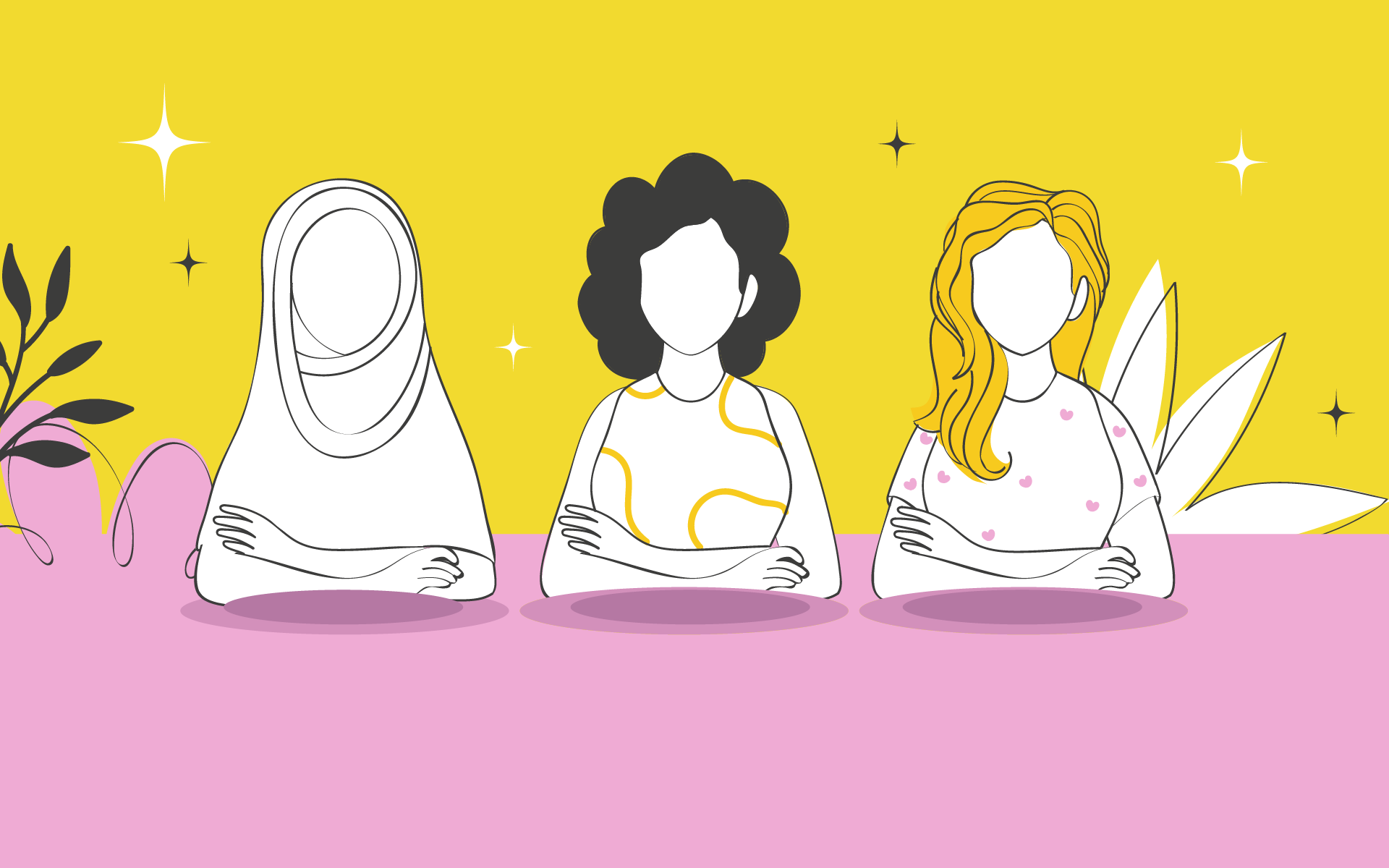
It’s time for us to stand up and break the contract that governs the the way we’re expected to behave.
“Oh,” I thought. “He really doesn’t like me.”
I was sitting in a complicated work meeting, one of those awkward hybrid ones, with people around a table and people on a video call.
He was on the screen. He had chosen to keep his camera off. Considering his position in the conversation, it was a pretty obvious power play.
He could see us and our reactions, while we were greeted with a box displaying his initials on the screen.
I did a body scan of my feelings and noticed, with surprise, that I didn’t care. I think I actually smiled at the camera in that moment.
I realised that I was okay, quite happy in fact, with being unlikeable. The social contract that women should be nice, agreeable and self-sacrificial to the greater good was no longer in play.
I was intellectually, emotionally and socially free to advocate for myself and what I believed. What a revelation!
But why now? Why in that conversation? I think it was a combination of things.
Physically, I am very much in perimenopause. That pesky, community-minded oestrogen, which I love for its temperature-regulation qualities, but which can trap me in a “greater good” decision-making spiral, is lower than ever before.
Emotionally, I have had the blessing of working in a strong, respectful team for many years as well as with clients who trust me to speak up and say what needs to be said.
This has given me the confidence to take risks and stand my ground. It has taught me that my input is valuable, and being wrong isn’t fatal. I have learnt how to stand up for myself.
Culturally? Now that is the real thing. The social contract that requires women to be persistently nice, soft and pliable is changing, at least in my world.
I am watching my friends, my colleagues, my clients, my daughter and other people’s daughters starting to speak up and out.
I know that this isn’t true for every woman, everywhere. But to me, it feels like it’s gathering momentum.
It starts in subtle ways. I still pat myself on the back when I ask the waiter to bring me the cold milk I asked for, rather than the hot that was served. So small, but so significant.
The ability to say “this isn’t what I ordered” wasn’t something I could do till I was late into adulthood.
I didn’t want to be seen as difficult, demanding, or, heaven forbid, needy! What if they don’t like me? Gasp!
My daughter has always been good at asking for what she wants. My extended family sometimes battles with this.
She was asked what she would like for her birthday. She told them. There was some consternation at the cost. I was approached.
I suggested they tell her it was out of their budget. There was some more consternation. How could they approach such a conversation?
I took it on and told her it was beyond the budget. There was no consternation at all. She just said, “Oh. Then what about <insert item solidly in the budget>?”
Her saying honestly what she wanted threw out the system. It was suggested to me that she was being very entitled. I understood why they would think that, and why I didn’t.
I grew up in this self-same family system, which is why it took almost four decades to say “I asked for soft eggs”, or “How are you tracking with that document I was expecting on Tuesday?”, or “No. I can’t move my previous meeting for this. How about next Tuesday at 2 pm?”
Asking for what I wanted would put someone out. And putting someone out was an existential threat.
The result was that I was very accommodating. It was my superpower.
I could read your needs and what would be best for you in a heartbeat, but I had no idea what I wanted. I mean, how bad can hot milk in tea be, right?
I was so nice. I was liked. I was a people pleaser of note. But I was mostly unsatisfied and miserable.
Being liked used to keep women safe. Supposedly. While I am not sure it was ever true, I know for certain it’s not true now. It relies on others speaking and acting for you and in your best interests.
One of my favourite quotes is “Well-behaved women seldom make history”, by Pulitzer Prize-winning historian Laurel Thatcher Ulrich, in 1976.
What I love is that no one ever questions what we mean by “well-behaved women”. No explicit definition is required.
We also know exactly what the “badly-behaved” women are doing. They aren’t always liked. But they get stuff done, and they know how to keep themselves safe. As well as inspired, delighted, happy, fulfilled and moving forward.
The question I try to come back to, is: how do I feel about me? I take inspiration from Maya Angelou.
“I belong to myself,” she said. “I’m very proud of that. I am very concerned about how I look at Maya. I like Maya very much.”
I belong to myself. I can stand for myself. I can speak for myself. If that means that sometimes I will be disliked? So be it.
The world needs more “unlikable women”, a term I learnt from the fabulous Amy Kean, the sociologist behind Good Shout, who also coined “likeability labour” for the invisible work women do to stay palatable at work.
I will no longer trade in being liked. I will trade in being true to myself.
I will stand my ground, and I will stand with you, I will be there as you send back your overdone steak, ask for that well-deserved salary increase, publicly claim the idea you came up with, and any other act, big or small, that puts you at risk of being disliked, but also means you are standing for yourself.
We need passionate, fun, engaged, present, alive, occasionally unlikeable women.
There is history to be made, and we are the ones to make it!
Related stories


The Change Programme
Are you thinking about making a change? Or trying to make a change? Or dealing with some change that’s happened? Whether you’re getting married or having a baby, moving house or jobs, starting a diet or stopping smoking… the Change Programme is for you.
Start the programme now!