Here’s to the familiar strangers who add spice to our lives
We all need to belong to the small everyday communities that shape us.
I am an only child. For years, this meant a robust relationship with what Joan Armatrading called “me, myself, I”.
Add a generous helping of shyness, and I assumed I was an introvert.
I dabbled with “ambivert”, somewhere between introvert and extrovert. Now I’ve discovered a newer term: “otrovert”
Coined in psychiatrist Rami Kaminski’s 2025 book, The Gift of Not Belonging, an otrovert is someone who can function socially, even warmly, but who often still feels slightly outside the group looking in.
These are people who prefer depth over crowd energy, one-on-one over tribes, and would rather observe than perform.
The thing about standing slightly on the outside is that you notice more. You clock the patterns, the rhythms – those small, reliable textures of shared life that most people don’t register.
That is the essence of community, not belonging in some grand, declared sense, but something more subtle.
We think of communities as large, established networks, but not all communities are dramatic or lifelong. Take my regular yoga class, made up mostly of oldies in tights, like me.
Over the years, we’ve shared mat space, injuries, grandchildren updates, surgeries, recipes, and snippets of life between downward dogs and warrior poses. I don’t know everyone deeply, but I know enough.
Enough to wave or ask after a hip replacement or recent holiday. Enough to notice when someone hasn’t come in a while. Community looks like that too.
Researcher Gillian Sandstrom calls these “familiar strangers – people we recognise but don’t know deeply. Interactions with them are a surprisingly strong predictor of daily happiness.
We underestimate these connections precisely because they feel so ordinary.
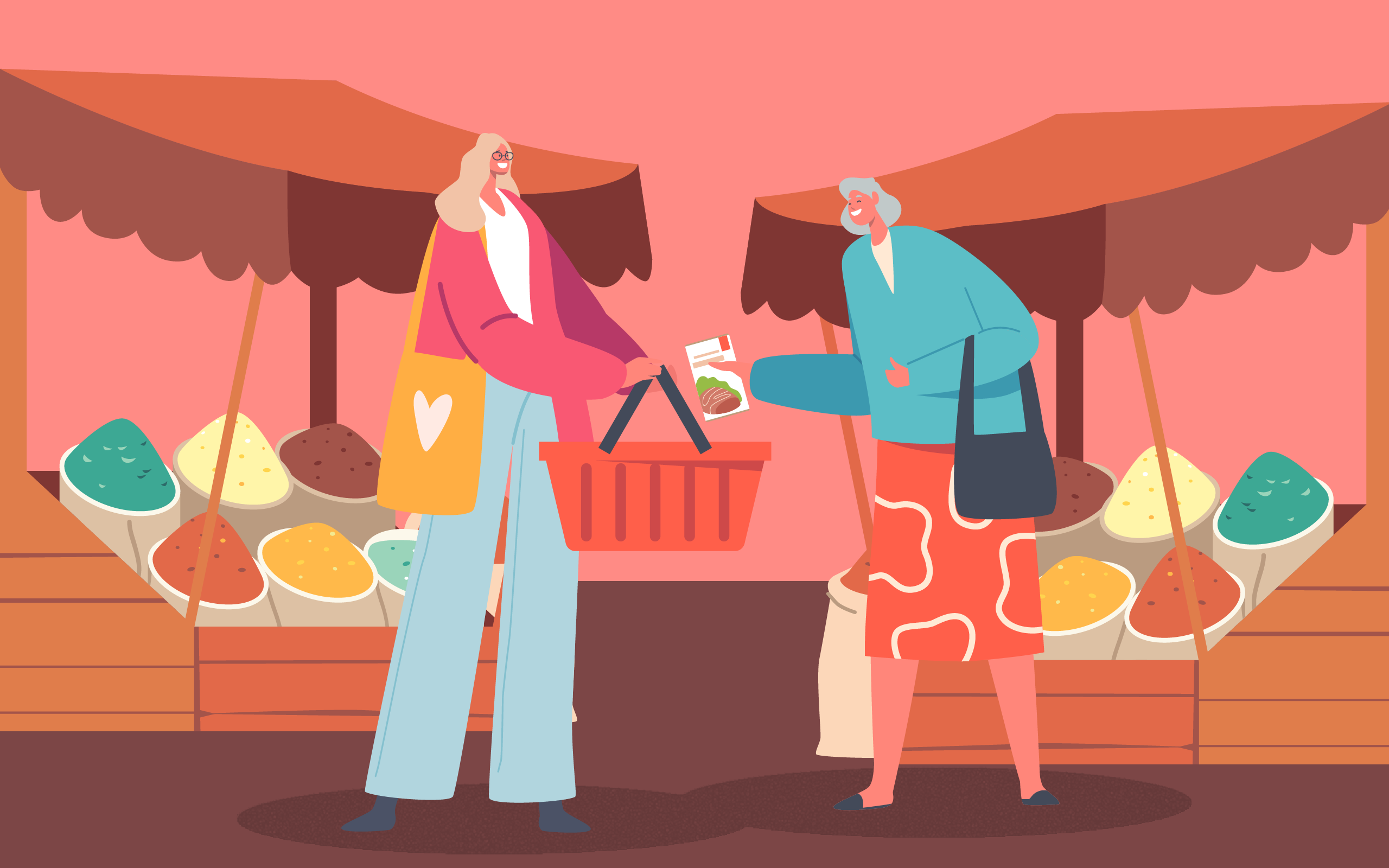
I was reminded of this while buying mild masala at the spice shops in Emmarentia. The shopping strip buzzed with life.
There were women selling fresh samoosas and teenagers selling homemade biscuits to raise funds for charity.
Men were greeting each other loudly. Someone was carrying coriander while someone else debated spice prices.
In the middle of it all, a father bought his son a chicken samoosa while eyeing a custard doughnut from the charity table.
“But Dad,” the boy said, “you’re diabetic.”
“It’s for the visitors,” the father replied. Pause. “Maybe I’ll just have one.”
My granny had a gift for turning strangers into friends. According to family legend, one of her oldest friendships began while she was buying a pineapple at Thrupps.
My mother inherited this quality. She knows the cashiers at Woolworths by name. She asks questions. She remembers details. Somewhere along the line, some of that was passed down to me.
I have a circle of friends who, like me, adopted their children. We are mostly white moms raising black children, navigating identity, hair, heritage, awkward questions, schools, representation and belonging together.
Our children absorb something powerful from being around one another – a shared understanding that says, your story exists here too. And so do we as parents.
Sometimes community gives us courage by reflecting us back to ourselves. This year, my son started at an all-boys school, after being largely raised in a world of women.
The shift has brought new forms of community into our lives: louder male energy, sports culture dialled to full volume, and conversations about school houses, rugby stats and technical details on basketball that I am wholly unqualified for. It has challenged me, gently, to find new ways of belonging.
My son and I recently started a project on protest music. For me it’s Tracy Chapman, Marvin Gaye, Bob Dylan and Skunk Anansie. For him, it’s UK Drill, trap and rap.
Every generation finds its own soundtrack for frustration, identity and hope.
On Mother’s Day, his school invited a handful of boys to honour the important women in their lives, in front of the school community.
My son stood up and said: “I love my moms – times two – because I have two. Every time I move schools, people ask: where’s your dad? Why do you have two moms? Well, I have two moms. So what? I love them fiercely like a tiger. No – make that two tigers.”
My boy, with his fierce little social justice heart.
Afterwards, messages poured in from teachers and parents. People telling me how courageous he was. How proud they were of him.
I remember thinking, this, too, is community. It’s not sameness or perfect agreement.
It lives in coffee groups, WhatsApp chats, recovery circles, protest marches, and at the till of your local grocery store. It’s people making space for one another’s truths.
Related stories

The Change Programme
Are you thinking about making a change? Or trying to make a change? Or dealing with some change that’s happened? Whether you’re getting married or having a baby, moving house or jobs, starting a diet or stopping smoking… the Change Programme is for you.
Start the programme now!